


Private Medical Transportation Booking Tampa: How to Get Safe Rides

Booking private medical transportation in Tampa doesn't have to be stressful. If you need a safe, reliable ride to a doctor's appointment, hospital discharge, dialysis center, or any other medical visit, you have solid options. The key is finding a service that understands mobility challenges, handles your specific transportation needs, and gets you where you need to go on time and with dignity.
Let's walk through how to book private medical transportation, what to expect, and how to make sure you're getting the right service for your situation.
What Is Private Medical Transportation?
Private medical transportation is a specialized ride service designed for people who need help getting to medical appointments safely. Unlike a standard rideshare app, these services are built for folks with mobility challenges, medical equipment needs, and the kind of care that requires trained professionals.
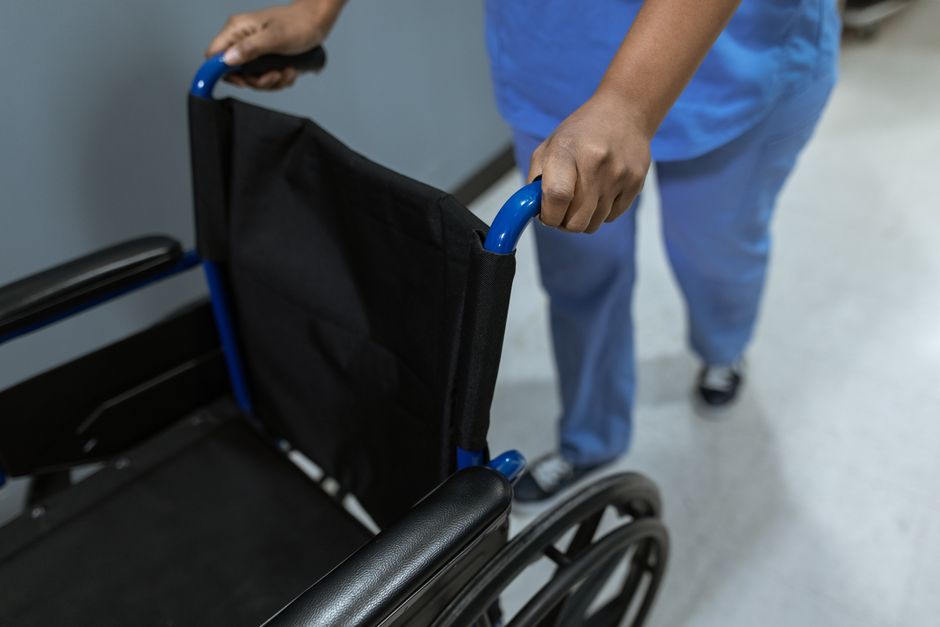
Your private medical transportation provider typically offers wheelchair transport, stretcher transport, and general medical rides. The vehicles are equipped with lifts, tie-down systems, and other safety gear. The drivers and attendants know how to handle wheelchairs, assist with transfers, and keep you safe throughout the trip.
This is especially important if you're recovering from surgery, managing a chronic condition, using mobility equipment, or simply need extra assistance getting in and out of a vehicle. When you book with Wheelchair Tampa, you're working with a service built specifically for medical transportation, not just a car that shows up.
When You Need Private Medical Transportation in Tampa
You might need private medical transportation for several reasons:
Doctor appointments and specialist visits
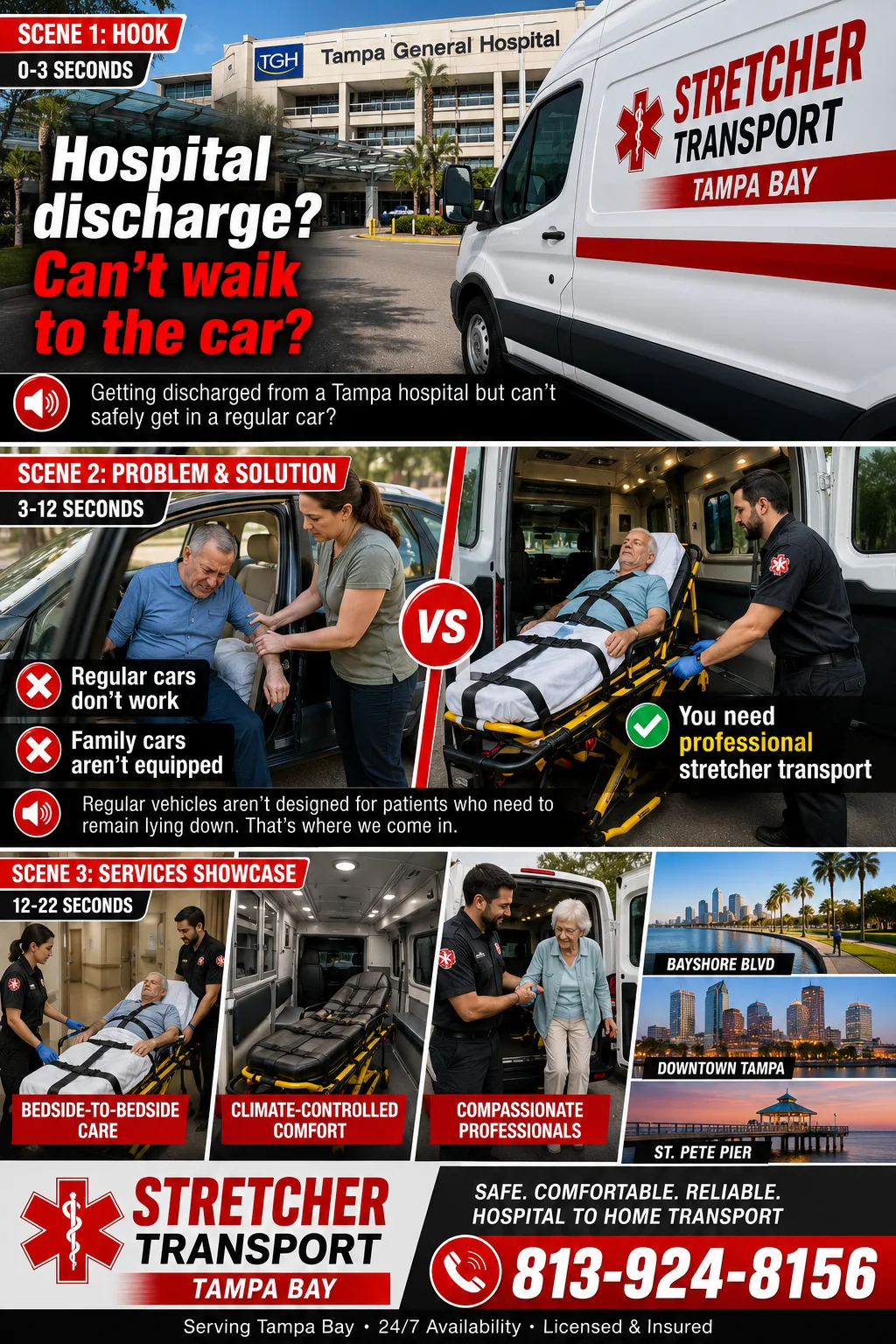
Hospital discharges
Dialysis sessions (regular appointments)
Physical therapy or rehabilitation
Lab work or imaging centers
Post-surgery recovery rides
Assisted living or nursing home transfers
If you use a wheelchair, need a stretcher, or simply can't safely drive yourself, private medical transportation makes sense. Family caregivers often use these services too, especially when they can't take off work or when the patient needs professional assistance rather than a family member's help.
Steps to Book Private Medical Transportation
Here's how the booking process typically works.
Step 1: Know Your Service Area
First, confirm that the provider serves your location. Private medical transportation services don't cover all of Tampa Bay equally. Make sure the company operates in your county and can reach your home, medical facility, or both points on your route. Wheelchair Tampa serves Hillsborough, Polk, Manatee, Highlands, and Hardee Counties, so check if your area is included.
Step 2: Decide What Type of Transport You Need
Do you need a wheelchair accessible vehicle? Do you need a stretcher transport with a two-person crew? Or do you just need a vehicle with a lift and extra space? Be clear about your mobility needs. This affects which service you should call and what the provider will prepare for you.
Step 3: Call and Provide Your Details
Contact the provider directly. You'll give them the date, time, and location of your appointment. Let them know if you use a wheelchair, a walker, a cane, or if you need a stretcher. Tell them about any medical equipment you're bringing. The more detail you give, the better they can prepare the right vehicle and staff.
Step 4: Get a Quote and Confirm Your Ride
Ask about pricing and availability. Private medical transportation isn't a flat rate. It depends on distance, the type of transport you need, the time of day, and other factors. The provider should give you a clear quote before you commit. Once you agree, they'll confirm your pickup time and any special instructions.
Step 5: Prepare on the Day of Your Ride
Be ready a few minutes early. Let the driver know if anything has changed with your mobility needs. If you have medical documents or appointment details, have them nearby. Make sure any equipment (wheelchair, walker, oxygen tank, medical bag) is ready to load.
What Makes a Good Private Medical Transportation Provider
Not all medical transportation services are the same. Here's what to look for when you're choosing who to book with.
Professional Training and Certification
Your drivers and attendants should have CPR training at minimum. For stretcher transports, you want a two-person crew trained in patient safety and bedside-to-bedside transfers. Ask the provider what their staff qualifications are. This isn't something to skip.
Need wheelchair transportation?
Clean, Well-Maintained Vehicles
The vehicle should be spotless, climate-controlled, and properly equipped with lifts, ramps, tie-downs, and safety restraints. You should feel confident that the equipment is safe and the space is sanitary.
Reliable Scheduling
Medical appointments don't wait. Your transportation provider needs to show up on time, every time. Check reviews or ask for references about punctuality and dependability. If you're recovering from surgery or managing a serious condition, unreliability isn't an option.
Compassionate Staff
Your driver and attendant should treat you with respect and dignity. They should understand that you may be stressed, in pain, or anxious about your appointment. A good provider invests in staff who genuinely care about patient comfort and safety.
Private Pay vs. Insurance Billing
Most private medical transportation providers operate on a private pay basis only. This means you pay directly from your own funds. Understand this before you book. Some services bill Medicaid or Medicare, but many specialize in private pay arrangements to keep things simple and flexible.
Make sure you know the payment structure upfront. Ask if you can pay by card, check, or cash, and whether invoices are sent after the ride or if payment is due in advance.
How to Prepare for Your Transportation Ride
A few practical tips to make your medical transportation experience smooth:
Tell your provider about any barriers at your home (steps, narrow doorways, rough pavement)
Let them know if you have any allergies or medical alerts they should know about
Bring your appointment details and any medical records you need
Wear comfortable, easy-to-manage clothing if you need assistance with transfers
Have your insurance card and ID ready, even though the provider won't bill insurance
Plan to be ready 10 minutes before pickup
The more prepared you are, the smoother the whole experience goes.
Questions to Ask Before You Book
Before you commit to a provider, ask these questions:
Do you serve my address and medical facility location?
What type of wheelchair or mobility equipment can you handle?
Do your drivers have CPR certification?
What's included in the fare (wait time, transfers, assistance)?
How far in advance do I need to book?
What happens if I need to reschedule or cancel?
Are you private pay only, or do you bill insurance?
Can you do round-trip bookings?
A reputable provider will answer all of these clearly and directly. If they seem evasive or rushed, that's a red flag.
Getting Started with Your Booking
When you're ready to arrange private medical transportation in Tampa, reach out directly to your chosen provider. Describe your needs, get a clear quote, and confirm your ride. If you'd like professional, compassionate service from a provider who specializes in mobility-challenged patients, contact Wheelchair Tampa to discuss your transportation needs.
FAQs About Private Medical Transportation Booking in Tampa
How much does private medical transportation cost in Tampa?
Pricing depends on several factors: distance, type of transport (wheelchair vs. stretcher), time of day, and whether you need a round trip. There's no single price. Call your provider for a quote based on your specific trip. Private medical transportation typically costs more than a rideshare, but you're paying for professional training, specialized equipment, and medical expertise that a standard car service can't offer.
Can I book private medical transportation same-day?
Some providers offer same-day bookings if they have availability. However, it's best to call ahead whenever possible. If you're scheduling a surgery or an appointment you know about in advance, book your ride a few days early. Same-day requests are usually possible but not guaranteed, especially during busy times.
What's the difference between private medical transportation and an ambulance?
Ambulances are for emergency situations and are dispatched through 911. Private medical transportation is for non-emergency rides to planned appointments. Ambulances arrive with sirens and lights. Medical transportation is a comfortable, scheduled ride with trained staff. If you're having an emergency, call 911. If you need a ride to your dialysis appointment or hospital discharge, you need medical transportation.
Do I need to be on Medicaid or Medicare to book private medical transportation?
No. Private medical transportation is typically private pay only. You pay out of pocket. Some providers accept insurance billing, but many don't. Ask your provider about their payment options. Private pay means you control your transportation choice without worrying about insurance approval or coverage limits.
Need wheelchair transportation?


Comments