


Top Tips for Choosing Certified Home Healthcare Services After Wheelchair or Stretcher Hospital Discharge in 2026
- Marqus Johnson

- Jan 26
- 10 min read

Overview:
This article guides families through choosing certified home healthcare services after a wheelchair or stretcher hospital discharge in 2026, with clear, bedside-ready checklists and questions to ask. It explains how to verify true certification, plan the first 72 hours at home, and coordinate safe non-emergency wheelchair or stretcher transportation so follow-up care stays on track.
You are probably reading this right after a hard hospital stay, trying to make the right decisions fast so your loved one can come home safely in a wheelchair or on a stretcher. Top Tips for Choosing Certified Home Healthcare Services After Wheelchair or Stretcher Hospital Discharge in 2026 is not just a search phrase for you—it is a real worry about safety, falls, pain, and what happens once the elevator doors close and the nurse is no longer there.
You want clear answers, not sales talk: which home health agencies are truly certified, who actually knows how to work with lifts and transfers, and how “hospital to home” is supposed to work when your family member cannot simply hop into the car. This guide walks you through post-hospital home health care and hospital-to-home planning with wheelchair and stretcher patients at the center, not as an afterthought.[comforcare +2]
In the next sections, you will get step‑by‑step help to understand certified home health care, compare agencies, avoid common mistakes, and coordinate safe wheelchair or stretcher transportation in 2026. You will see exactly what to ask, what to check, and how to plan those first critical days at home so you can move forward with more confidence instead of guessing.
Top Tips for Choosing Certified Home Healthcare After Wheelchair Discharge in 2026
The fastest way to choose safe, certified home healthcare after a wheelchair or stretcher hospital discharge in 2026 is to follow a short checklist: confirm the agency is Medicare-certified or state-licensed, match their services to your loved one’s mobility needs, verify transfer and equipment training, coordinate start-of-care for the same day or next day after discharge, and confirm how transportation home and to follow-up visits will be handled. This turns Top Tips for Choosing Certified Home Healthcare Services After Wheelchair or Stretcher Hospital Discharge in 2026 into five clear steps you can use at the bedside before your family member ever leaves the hospital.[caringprofessionals +2]
Start by asking the hospital discharge planner or case manager for a list of certified home health agencies that regularly work with wheelchair and stretcher patients. Then, for each agency, ask what medical and therapy services they actually provide at home, and who will come to the house in the first 72 hours. Finally, make sure someone on the team has experience with lifts, slide boards, or bariatric equipment if your loved one cannot stand or pivot safely. These details are the difference between a smooth homecoming and a preventable fall, delay, or return to the ER.
What Certified Home Healthcare Means in 2026 for Wheelchair and Stretcher Patients Certified home healthcare in 2026 is medical care delivered at home by a licensed, regulated agency that meets state and federal standards, often including Medicare certification. That usually means a team built around a registered nurse, supported by physical and occupational therapists, speech therapists where needed, and home health aides who help with bathing, dressing, and safe movement around the home.
This is different from non-medical “home care,” which may focus on companionship, light housekeeping, or rides but is not required to meet the same medical, documentation, or training standards. For someone using a wheelchair or stretcher after surgery, stroke, heart failure, or a serious infection, that certification matters because transfers, wound care, oxygen, and complex medications carry higher risk. When you ask about certification, you are really asking, “Who makes sure this team knows how to keep my loved one safe in our living room?”
For wheelchair and stretcher users, certified home health also means the team is trained to look for pressure sores, watch for breathing changes, and teach family members how to move and reposition without injury. A good agency will build a written care plan that includes how many people are needed for transfers, what equipment is required, and how often nurses and therapists will check in during those first fragile weeks at home. That level of structure is a key filter when you compare your options.
How to Plan Hospital-to-Home Care After a Wheelchair or Stretcher Discharge
Planning from the hospital bed to the front door at home starts before the discharge date is even set. As soon as the doctor mentions going home, ask to speak with the discharge planner or case manager and say clearly that your loved one will be going home in a wheelchair or on a stretcher and will need certified home healthcare. This puts mobility and safety at the center of the discharge plan instead of treating them as a last-minute detail.
Work with the hospital team to map out the first 24–72 hours at home. That includes a medication list that is easy to read, any new equipment orders (wheelchair, hospital bed, commode, lift), and an initial home health visit scheduled as close to arrival time as possible. Ask who to call if pain, confusion, or breathing get worse overnight, and write those numbers down next to the home phone or on the fridge so every caregiver can find them quickly.
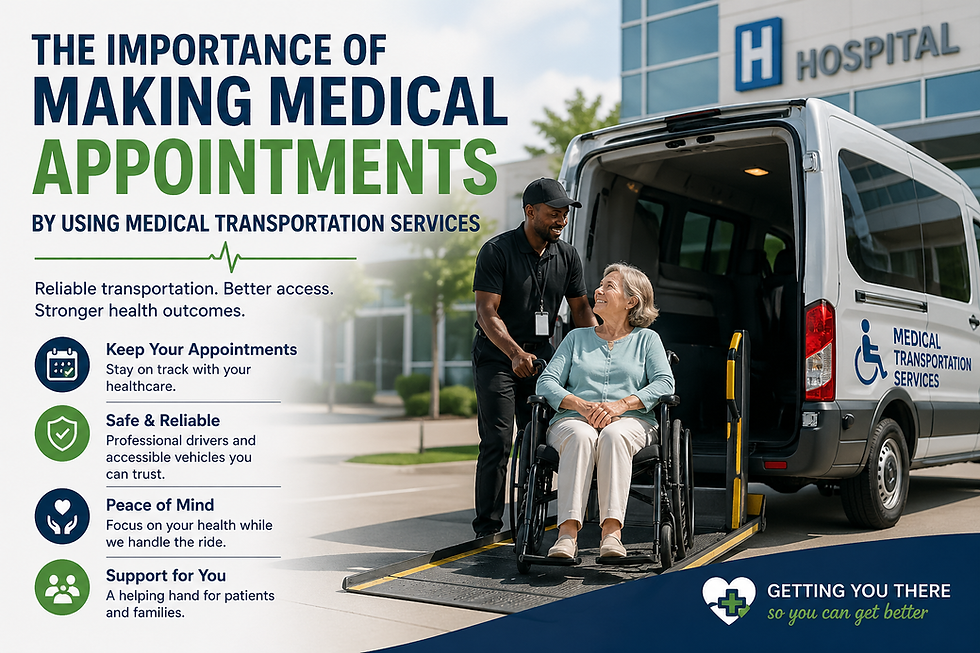
For stretcher-only patients or anyone who cannot sit upright safely, hospital-to-home planning must also cover transportation. Confirm whether your loved one needs a stretcher vehicle or can ride in a secure wheelchair with a seatbelt and tie-downs, and share that information with both the discharge planner and the home health agency. When those pieces line up—certified home healthcare, the right equipment, and a reliable wheelchair or stretcher ride—coming home feels less like a scramble and more like a coordinated handoff.
How do I Book Wheelchair Transportation in Tampa for a Doctor’s Appointment After Discharge?
To book wheelchair transportation in Tampa for a doctor’s appointment after discharge, call a specialized non-emergency medical transportation provider, share your loved one’s mobility and medical needs, confirm the right vehicle type (wheelchair or stretcher), and schedule door-to-door pickup that lines up with your appointment and home health visits. This simple, four-step process is safer and more predictable than trying to improvise with rideshares or standard taxis.
First, decide if your family member can sit upright in a wheelchair with a seatbelt or if they must remain lying down on a stretcher. Share details like oxygen use, weight limits, stairs at home, and whether they need extra help getting in and out of bed. This lets the company send the right vehicle, ramp or lift, and enough staff so no one is guessing about how to move your loved one on the day of the appointment.
Next, match transportation times to the care schedule. If the doctor wants bloodwork before the visit or the home health nurse plans to change dressings just beforehand, build travel time around those tasks so nothing is rushed. Ask how long the driver can wait, what happens if the appointment runs late, and whether you can schedule recurring rides for dialysis, wound care, or therapy. When you coordinate those details up front, you avoid last-minute scrambles that are stressful and risky for someone who cannot simply stand up and walk.
Finally, treat the transportation provider as part of the care team, not just a ride. Let them know about new mobility changes or equipment, and ask them to call or text you when they arrive so caregivers are ready at the door. In the Tampa Bay area, this kind of door-to-door wheelchair and stretcher service is often the missing piece that keeps carefully planned home health care on track instead of falling behind because no one could get your loved one to the doctor safely.
How to Choose a Certified Home Health Agency After a Wheelchair or Stretcher Discharge
Choosing a certified home health agency after a wheelchair or stretcher discharge starts with asking better questions than “Do you have a nurse?” For high-risk mobility patients, you need to know who trains staff on transfers, who supervises care, and how quickly they can respond if something changes in the middle of the night. This is where Top Tips for Choosing Certified Home Healthcare Services After Wheelchair or Stretcher Hospital Discharge in 2026 becomes a practical checklist you can work through in 20–30 minutes.[choicehomecare +3]
Begin with verification. Ask, “Are you Medicare-certified or state-licensed as a home health agency, and under what name?” so you can look them up on official tools like Medicare’s Care Compare or your state licensing site. Confirm they carry liability insurance and workers’ compensation, because that protects both the patient and family caregivers if someone is injured during a transfer. This may feel technical, but it is your safety net if anything goes wrong around the bed, wheelchair, or stretcher.[medicareinteractive +2]
Then move to wheelchair and stretcher specifics. Ask how often they care for patients who cannot stand or pivot, what kind of transfer equipment they are comfortable with (gait belts, slide boards, mechanical lifts), and whether they can send two staff for heavy or bariatric patients when needed. A strong agency will answer these questions clearly and may even suggest a joint visit with therapy to fine-tune the safest way to move your loved one in your actual home.[feeltheadvantage +2]
You can also use a simple three-part framework to compare agencies: safety, communication, and consistency. Safety means clear transfer plans and pressure sore prevention; communication means you know who to call, when they will call you back, and how they update your doctor; consistency means the same small team shows up often enough to learn your loved one’s routines. Agencies that cannot explain how they handle these three pieces may be fine for lower-risk clients, but they are not a good match for someone coming home in a wheelchair or on a stretcher after a serious hospital stay.
Common Mistakes Families Make When Choosing Home Health After a Wheelchair Discharge
Some of the most dangerous problems start with small, common mistakes that are easy to avoid once you see them. One big mistake is assuming that any “home care” is medical or certified, when many agencies only provide non-medical help and are not trained for complex transfers, wounds, or oxygen. Another is choosing based only on who can start fastest or who is cheapest, without asking about training for lifts, bariatric patients, or high fall-risk situations.
Families also often forget to plan transportation for follow-up visits and therapies until the last minute. A rideshare might work for someone who walks with a cane, but it is a very different situation when your loved one needs a stretcher or cannot transfer safely from a wheelchair to a car. When the ride falls through, appointments get missed, and the risk of going back to the hospital climbs.
Another subtle mistake is not updating the care team when mobility or pain levels change. If your loved one is suddenly weaker, more confused, or more short of breath, the transfer plan that worked last week might not be safe today. Letting both the home health agency and your transportation provider know about these changes gives them a chance to adjust staffing, timing, or equipment before someone gets hurt.
Why Transportation Partners Matter When Your Loved One Uses a Wheelchair or Stretcher
One thing many guides miss is how closely certified home health and wheelchair or stretcher transportation have to work together in the real world. On paper, you might have the “perfect” home health agency, but if your loved one cannot get to follow-up appointments safely and on time, that plan starts to break down. Missed cardiology visits, delayed wound checks, or skipped dialysis sessions are some of the most common reasons patients end up right back in the hospital.
From a transportation point of view, the handoff starts before discharge. When families in the Tampa Bay area book a door-to-door wheelchair or stretcher trip home, they are also lining up how the patient will get to oncology, rehab, dialysis, or primary care over the next days and weeks. A good transportation partner will ask not only “What time is pickup?” but also “How many stairs do you have? Is there an elevator? Do we need extra time for oxygen or a lift?” That level of detail means fewer surprises at the curb, less lifting for family, and a calmer experience for someone who may still be in pain or afraid of falling.
There is also a rhythm that develops when transportation and home health teams know each other’s routines. For example, if your loved one always feels weaker after certain treatments, you can schedule a stretcher trip instead of a wheelchair ride on those days. If the home health nurse notices new shortness of breath or pressure sore risk, they can suggest small changes to pickup times or positioning in the vehicle to keep the patient safer and more comfortable. Over time, the transportation schedule becomes part of the care plan, not just an appointment reminder on a calendar.
This is where families gain an advantage by working with a local, medically focused wheelchair and stretcher transportation service instead of relying on general rideshare apps. The same team learns your driveway, your doorway, your elevator, and your loved one’s safest way to move. When hospital discharge, certified home health, and specialized transportation all point in the same direction, your family is not just “getting a ride.” You are building a safer, more predictable path through recovery, one carefully planned trip at a time.
Bringing a loved one home in a wheelchair or on a stretcher after a hospital stay is about much more than signing one form or making one phone call. It is a chain of decisions—about certified home health, safe transfers, equipment, and transportation—that all link together to protect comfort, dignity, and recovery. When you see how these pieces fit, Top Tips for Choosing Certified Home Healthcare Services After Wheelchair or Stretcher Hospital Discharge in 2026 becomes a roadmap instead of a search term.
The most important ideas are simple but powerful. Choose a truly certified home health agency that understands complex mobility, not just generic home care. Plan the first 72 hours at home in detail, including medications, equipment, and who will help with transfers. Treat wheelchair or stretcher transportation as part of the care team so follow-up visits and therapies stay on track. And use clear, practical questions to compare agencies on safety, communication, and consistency rather than marketing promises.
Your next step can be as small as writing down three questions to ask the discharge planner today and making one call to discuss home health and transportation together. With a bit of planning and the right partners, you can turn a stressful discharge into a safer, more predictable transition home—and give your loved one a better chance to heal without having to go through the hospital doors all over again.


Comments