


Palma Ceia West 33629 door‑to‑door medical wheelchair stretcher transportation for seniors
- Marqus Johnson

- Jan 21
- 7 min read
Overview:
This article explains how seniors in Palma Ceia West (ZIP 33629) can use door‑to‑door wheelchair and stretcher transportation to reach medical appointments safely, comfortably, and on time. It walks families through what true door‑to‑door service looks like, when to choose wheelchair versus stretcher transport, and how to prepare for recurring trips like dialysis, cancer treatment, and specialist visits, while highlighting what to look for in a trustworthy Tampa provider.
In my 20 years of healthcare transportation in Tampa, FL, one pattern has never changed: when seniors can count on safe, respectful, door‑to‑door rides, they keep their appointments, recover more smoothly, and feel less anxious about leaving home. Seniors in Palma Ceia West, 33629, are no exception. Many have deep roots in this South Tampa neighborhood, and they deserve transportation that matches the dignity, comfort, and reliability they expect in every other part of their lives.
This guide walks through exactly how door‑to‑door medical wheelchair and stretcher transportation works for seniors in Palma Ceia West, when it makes sense to use it, and how families can prepare so every ride feels organized and calm. The goal is simple: make it easier for you to get your loved one from the front door to the doctor, clinic, or hospital and back again—without lifting, rushing, or guesswork.
Why Palma Ceia West seniors need door‑to‑door support
Palma Ceia West sits in one of Tampa’s more established, higher‑income areas, and many residents are older adults who want to age in place. That often means juggling cardiology visits, oncology treatments, orthopedic follow‑ups, primary‑care checkups, and physical therapy—all while dealing with limited mobility, chronic conditions, or recovery from surgery. A standard car, rideshare, or taxi may not be safe or practical when stairs, narrow halls, or heavy wheelchairs are involved.
Door‑to‑door service is built for this reality. Instead of simply arriving at the curb, a trained driver or attendant comes to the door, assists the senior safely out of the home, and stays with them through each transfer point. For families trying to balance work, kids, and caregiving, having a professional handle the physical part of the trip can be the difference between constant stress and a predictable routine that everyone can manage.
What “door‑to‑door” really means
Door‑to‑door transportation is more than just a figure of speech. For a Palma Ceia West senior, a typical trip might look like this:
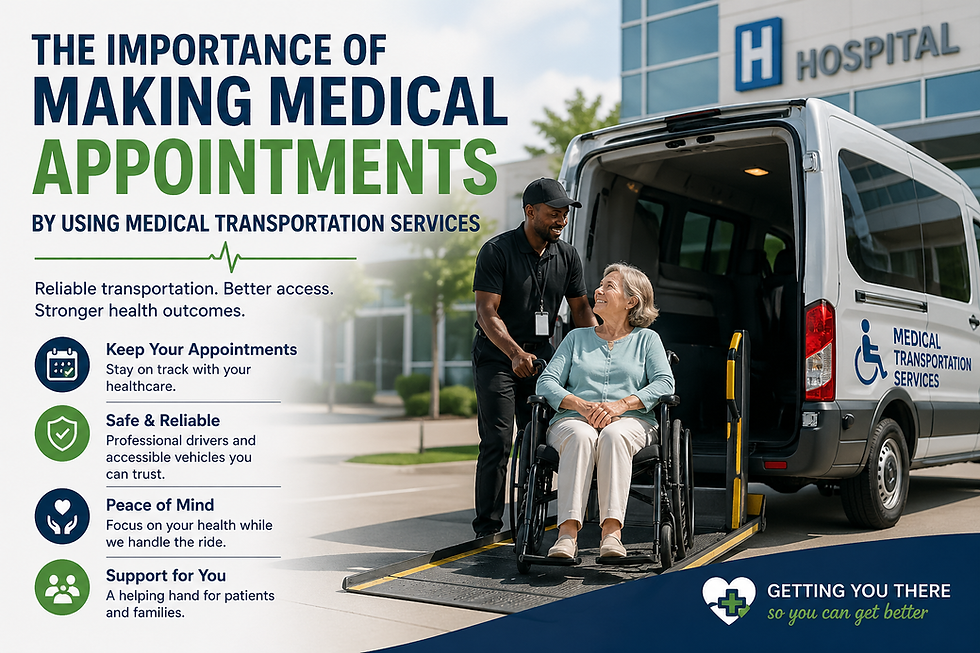
At homeThe driver arrives at the scheduled time, comes to the door, and helps the senior navigate steps, ramps, or elevators. If the senior uses a walker, cane, wheelchair, or needs a stretcher, the driver manages the equipment and keeps the pace slow and safe.
Boarding the vehicleThe senior is guided onto a ramp or lift, then secured in a wheelchair or stretcher inside the vehicle using professional tie‑downs and safety belts. This eliminates the need for family members to do heavy lifting or awkward car transfers.
At the clinic or hospitalOn arrival, the driver lowers the lift or ramp, helps the senior exit the vehicle, and escorts them to the appropriate entrance or check‑in area. The handoff is smooth, and the senior is never left guessing where to go.
The return tripAfter the appointment, the process repeats in reverse: pick up at the medical facility, safe boarding, and assistance all the way back into the home, including navigating steps or tight spaces if needed.
This full‑journey support is what sets door‑to‑door service apart from curbside transportation. It is designed for seniors who cannot simply “hop in” a car but still want to attend their appointments reliably and with dignity.
Wheelchair versus stretcher transportation
Not every senior needs the same level of support. When arranging transportation in Palma Ceia West, you will typically choose between wheelchair and stretcher service.
Wheelchair transportation
Best for seniors who can sit upright but have trouble walking distances, managing stairs, or getting in and out of low cars or SUVs.
The vehicle is equipped with a wheelchair lift or ramp, securement systems, and seatbelts to keep the chair and passenger stable during the ride.
Many seniors use this option for regular doctor visits, cardiology or pulmonary follow‑ups, physical therapy, and imaging appointments.
Stretcher transportation
Designed for seniors who must remain lying down or cannot sit safely for the duration of the trip.
Ideal after surgery, during significant weakness, or when a doctor has advised that the patient be transported in a reclined or supine position.
The stretcher is rolled into the vehicle and locked into place so the ride is as smooth and stable as possible.
Both services focus on comfort and safety, but stretcher transport adds an extra level of physical support. The right choice comes down to the senior’s mobility, strength, and what their healthcare team recommends for travel.
Common medical trips from Palma Ceia West
Over two decades of serving the Tampa Bay area, certain trip patterns repeat again and again—especially in neighborhoods like Palma Ceia West, where seniors often manage complex care plans. Typical destinations include:
Dialysis centers – Many seniors require dialysis three times per week, and missing a session can be dangerous. Reliable wheelchair or stretcher transport helps them keep this schedule with less strain on family caregivers.
Oncology and infusion clinics – Cancer treatment often involves regular chemotherapy or immunotherapy appointments, which can leave patients fatigued or nauseated. Having a safe, steady ride home is just as important as getting to the clinic.
Cardiology and pulmonary visits – Seniors with heart or lung conditions may struggle with exertion and stairs, making door‑to‑door support vital for visits where vital signs and stamina are already a concern.
Orthopedic and rehab appointments – After joint replacement, fractures, or spine surgery, sitting in a regular car or climbing into a high SUV can be painful or unsafe. Wheelchair or stretcher transport minimizes strain on healing joints and incisions.
Primary care and routine specialists – Even “simple” annual visits can become stressful when mobility is limited, parking is tight, or there is a risk of falls. Assisted transportation takes those worries off the table.
For many families in 33629, these trips form a predictable weekly or monthly rhythm. A trusted transportation partner becomes part of the care team, just like the doctor or therapist.

How families in Palma Ceia West can prepare for each ride
A little preparation can turn a busy medical day into a manageable routine. Families in 33629 can follow a simple checklist:
Confirm details the day beforeDouble‑check appointment time, clinic address, building name, and any special instructions (such as arriving early for labs or paperwork). Share these details with the transportation provider so timing and routing are accurate.
Prepare the home and path to the doorMake sure walkways are clear of clutter, rugs, or obstacles that could cause a trip or make moving a wheelchair or stretcher difficult. If there are gate codes, elevator instructions, or tight corners, let the driver know in advance.
Gather essential documents and itemsHave insurance cards, identification, a list of medications, and any referral or imaging CDs ready in a small bag. If the senior may feel cold, dizzy, or nauseated after treatment, pack a light blanket, water (if allowed), and any doctor‑approved snacks.
Discuss comfort and communicationTalk with the senior about what to expect: who is coming, what the vehicle looks like, and how they will be helped. A brief explanation can ease anxiety, especially for those with cognitive changes or who have had difficult transport experiences in the past.
These small steps help the driver do their job more effectively and make the day easier on both the senior and their caregivers.
Safety, professionalism, and what to look for in a provider
Not all transportation is created equal. When you are choosing a wheelchair or stretcher transportation provider for a loved one in Palma Ceia West, focus on qualities that directly impact safety and peace of mind:
Licensing, insurance, and trainingA reputable provider will be properly licensed and insured, with drivers trained in safe transfers, wheelchair and stretcher securement, and sensitivity when working with older adults and people with disabilities. Many teams also maintain certifications such as CPR and First Aid.
Vehicle standardsVehicles should be purpose‑built or professionally adapted for medical transportation. That means well‑maintained lifts or ramps, solid tie‑downs, clean interiors, and enough space for wheelchairs or stretchers to be secured without crowding.
Clear communication and reliabilityYou should be able to reach the company easily, receive confirmation of bookings, and know what to expect if an appointment runs late. On‑time arrival and a calm, unhurried approach are especially important when seniors are already stressed about their health.
Respectful, compassionate staffThe way drivers speak to and handle seniors matters just as much as the equipment they use. Look for a provider that trains staff to be patient, to respect privacy, and to work at the senior’s pace rather than rushing them.
Choosing a provider with these traits means you are not just buying a ride—you are securing a safe, predictable part of your loved one’s healthcare routine.
Why door‑to‑door transport brings peace of mind
For seniors in Palma Ceia West, door‑to‑door wheelchair and stretcher transportation is about far more than logistics. It preserves independence by making it possible to keep seeing long‑time doctors, attend therapies, and follow treatment plans even when mobility changes. It also reduces the risk of missed appointments, which can lead to worsening health or extra hospital visits.
For families and caregivers, the benefits are just as real. Instead of lifting heavy wheelchairs, fighting traffic, and navigating crowded parking garages, they can focus on emotional support, medication management, and recovery at home. Knowing that an experienced, local transportation team will be at the door on time—ready to handle the physical side of the journey—removes a major source of daily stress.
When transportation is reliable and respectful, everyone involved can shift attention back to what matters most: the senior’s comfort, safety, and ongoing connection to the care they need.
Related stories
How to Book Wheelchair Accessible Transportation for Medical Appointments in Tampa
Reliable Wheelchair Transportation Services in Tampa for Medical Appointments
External resources from reputable, high‑authority sources
Door‑to‑Door Transportation – Hillsborough County Human Services overview of accessible transportation assistance for local residents.
Non‑Emergency Medical Transportation in Tampa, FL – Overview of local NEMT options and how they support access to care.


Comments