


Wheelchair Bound Transportation: Guide to Safe Medical Rides

If you or a loved one uses a wheelchair and needs reliable transportation to medical appointments, hospital discharge, or dialysis centers, you're looking at what's called wheelchair bound transportation. It's specialized, medical-grade ride service designed specifically for people with mobility challenges who can transfer into and out of a wheelchair safely.
This isn't a regular rideshare. Wheelchair bound transportation means trained staff, wheelchair lifts or ramps, secure tie-down systems, and vehicles built to handle the unique safety needs of passengers with disabilities. Let's break down what you need to know to find the right service for your situation.
What Exactly Is Wheelchair Bound Transportation?
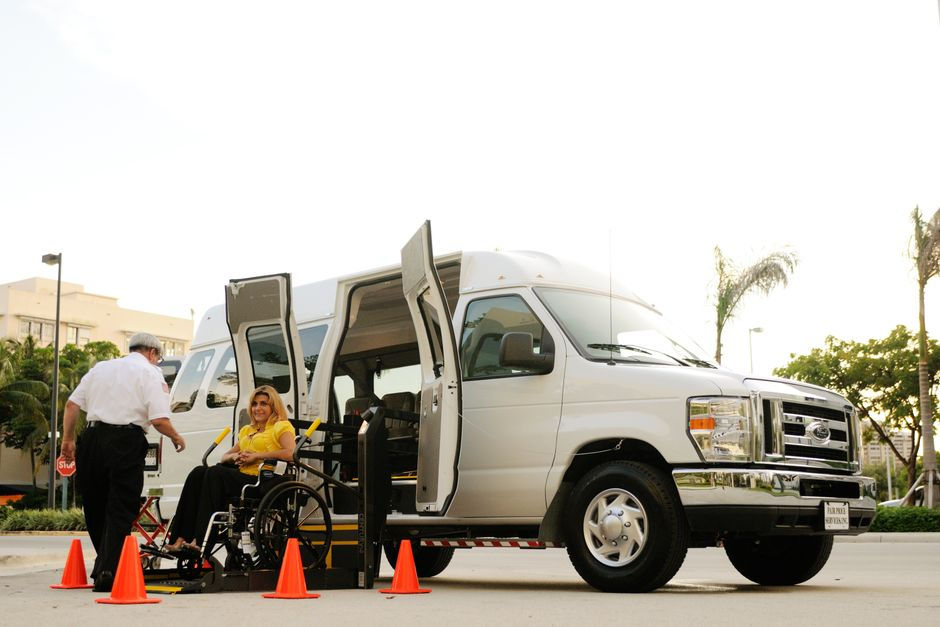
Wheelchair bound transportation is non-emergency medical transport for people who use a wheelchair as their primary mobility aid. The vehicles are equipped with hydraulic lifts or ramps, internal securement systems, and trained operators who know how to safely load, transport, and unload passengers while keeping them stable and secure.
This service sits in the middle of the medical transportation spectrum. On one end, you have ambulatory transport for people who can walk with minimal help. On the other end, stretcher transport for patients who are bedbound or cannot safely transfer. Wheelchair transport fills the gap for people with real mobility limitations who still have the ability to use a wheelchair and transfer independently or with minimal assistance.
The vehicle itself matters. A standard Uber or taxi isn't built for this. Wheelchair transportation vehicles have:
Hydraulic or electric wheelchair lifts or ramps
Internal wheelchair securement (locks that hold the chair in place)
Spacious interiors to accommodate the wheelchair
Professional drivers trained in patient handling
Regular maintenance and safety inspections
Why Wheelchair Bound Transportation Is Different From Rideshare
You might wonder why you can't just call a rideshare app. The answer comes down to safety, liability, and the specific equipment and training required. A consumer rideshare driver has no obligation to help you into or out of a vehicle, secure your wheelchair, or know what to do if you have a medical issue during transport.
Medical transportation services are built differently. The vehicles meet accessibility standards. The drivers are trained to assist with transfers, understand patient dignity and privacy, and know basic safety protocols for medical passengers. They carry appropriate insurance and maintain records that meet healthcare facility requirements.
If you're being discharged from a hospital, moving to an assisted living facility, or need regular rides to dialysis or ongoing medical treatment, Wheelchair Tampa operates wheelchair transport vehicles specifically designed for these scenarios. The difference shows in how you're treated and how safely you arrive.
Who Actually Needs Wheelchair Bound Transportation?
You might be a good candidate for this service if you:
Use a wheelchair full-time or part-time
Need reliable transport to medical appointments
Are being discharged from a hospital and need a ride home
Attend regular dialysis, chemotherapy, or physical therapy sessions
Live in an assisted living or nursing facility and need medical rides
Have mobility challenges that make standard transportation unsafe or uncomfortable
Age doesn't matter. You could be 25 with a spinal cord injury or 85 recovering from surgery. The need for accessible, medically-appropriate transportation is the same.
How Wheelchair Bound Transportation Works
The process is straightforward. You call or contact a medical transportation provider and describe your pickup and destination, your mobility level, and any special equipment or assistance you need.
On the day of transport, the driver arrives at your location (home, hospital, facility, etc.). They help you into the vehicle using the lift or ramp, secure your wheelchair with the built-in locks, and drive you safely to your destination. Upon arrival, they help you out and settle you at your destination.
Some rides are one-time events, like a hospital discharge. Others are recurring, like weekly dialysis appointments. Wheelchair Tampa handles both. You can schedule in advance and know exactly when your ride will arrive.
Need wheelchair transportation?
Service Area and Availability
Wheelchair bound transportation isn't available everywhere. Coverage depends on where the service operates. Wheelchair Tampa serves Hillsborough, Polk, Manatee, Highlands, and Hardee Counties in the Tampa Bay region. If you're in the Tampa Bay area and need wheelchair transportation, check whether your specific address falls within the service zone.
Some counties outside major metropolitan areas have limited options. Rural regions often have fewer specialized transport providers. If you're in a less served area, you may need to call multiple providers or plan further in advance.
Payment and Insurance
Here's an important fact: wheelchair bound transportation is typically a private-pay service. This means you or your family pay out of pocket. Wheelchair Tampa operates on private pay only and does not bill, accept, or process Medicaid, Medicare, or insurance.
If you're on a fixed income or insurance-dependent plan, this matters. Some people use Health Savings Accounts (HSAs) or Flexible Spending Accounts (FSAs) to cover transportation to medical appointments, but policies vary. Check with your insurance provider about what they cover and what they don't.
When you contact a provider, ask for a quote based on your route, frequency, and any special requirements. Costs vary by distance, time of day, and local factors, but getting a clear price upfront helps you plan.
What to Look for in a Wheelchair Transportation Service
Not all transportation services are equal. When you're evaluating options, check for:
Vehicle condition and accessibility: Ask about the wheelchair lift or ramp, internal securement system, and when vehicles were last inspected.
Driver training: Are drivers trained in patient handling, safety protocols, and medical passenger care?
Reliability: Do they arrive on time? Can you reach them easily if you need to reschedule?
Service area: Make sure they actually serve your pickup and destination locations.
Insurance and licensing: Verify they carry appropriate liability insurance and hold required state or local licenses.
If you're arranging transport for a hospital discharge or through a medical facility, ask your discharge planner or case manager which providers they recommend. Healthcare facilities often work with trusted transportation partners because they understand the medical environment and requirements.
Scheduling and Booking Your Ride
When you contact a wheelchair transportation service, have this information ready:
Your pickup location (full address)
Your destination (full address)
Date and time needed
Whether this is a one-time ride or recurring service
Your mobility level and any special needs (e.g., assistance transferring, equipment accommodations)
Whether you'll have a companion or caregiver joining you
For recurring appointments like dialysis, many services let you set up a standing schedule so you don't have to call each time. This also helps them plan their route and confirm availability weeks in advance.
Tips for a Smooth Transportation Experience
Once you've booked your ride, a few things make the process smoother for you and the driver:
Be ready at your pickup location a few minutes early
Have any mobility aids or equipment organized and accessible
Communicate any special needs or concerns to the driver when they arrive
Ask questions if you're unsure about the loading or securement process
Keep emergency contact information and medical details up to date with the service
If something doesn't feel right during transport, speak up. Professional drivers want you to be safe and comfortable. If you have a concern about how you were treated or how your wheelchair was handled, report it to the service management.
When to Consider Other Transport Options
Wheelchair bound transportation is right for many situations, but not all. If you're completely bedbound or cannot transfer into a wheelchair safely, you need stretcher transport instead. Stretcher transport uses a specialized vehicle with a stretcher system and typically a two-person crew to move you from bed to stretcher to vehicle and back again. This is a different service entirely.
If you can walk with a cane, walker, or minimal assistance but don't use a wheelchair, standard ambulatory medical transport might work for you. The key difference is equipment: ambulatory transport doesn't require wheelchair lifts or securement systems because passengers can walk onto the vehicle independently.
Getting Started With Wheelchair Tampa
If you're in the Tampa Bay area and ready to explore wheelchair bound transportation options, Wheelchair Tampa is ready to help. Whether you need a single hospital discharge ride or recurring medical appointments, they offer specialized wheelchair and stretcher transportation throughout Hillsborough, Polk, Manatee, Highlands, and Hardee Counties. Call to discuss your specific transportation needs and get a personalized quote.
Common Questions About Wheelchair Bound Transportation
Can I bring a caregiver or family member with me?
Yes. Most wheelchair transportation vehicles have space for one or more companions. Let the service know when you book that you'll have someone traveling with you. They'll confirm vehicle capacity and any additional costs if applicable.
What if I have a folding wheelchair instead of a large manual one?
Folding wheelchairs often fit more easily into vehicle lifts and require less interior space. Let the service know the size and weight of your wheelchair when you book so they can confirm their vehicle can accommodate it. Some services can also stow a folding chair if you prefer to sit in a regular car seat.
Do I need to schedule in advance or can I request same-day transport?
Scheduling policies vary by service. Many wheelchair transportation providers prefer advance booking so they can allocate drivers and plan routes efficiently. Same-day or last-minute requests may be possible but could cost more or might not be available. Always call as early as possible when you need a ride.
What happens if I'm late getting ready or need to reschedule?
Contact the service immediately if you're running late or need to change your appointment time. Some services charge a cancellation or late fee if you cancel too close to your scheduled pickup. Being upfront about delays helps them adjust their schedule and serve other passengers on time.
Need wheelchair transportation?


Comments