


Specialized Medical Van Service Tampa Bay: What to Expect

When you or a loved one needs a ride to a medical appointment but can't safely travel in a regular car, a specialized medical van service in Tampa Bay is built exactly for that situation. These aren't Uber rides or taxi cabs. They're equipped vehicles staffed by trained personnel who understand mobility challenges, medical equipment, and patient safety.
If you're searching for this kind of service, you're likely facing one of these scenarios: recovering from surgery, managing a chronic condition that limits mobility, using a wheelchair or stretcher, or coordinating a hospital discharge. This guide walks you through what specialized medical transportation actually is, how it works, and how to find the right provider for your needs.
What Makes a Specialized Medical Van Different
A specialized medical van service isn't just a vehicle with a wheelchair lift. The difference runs much deeper.
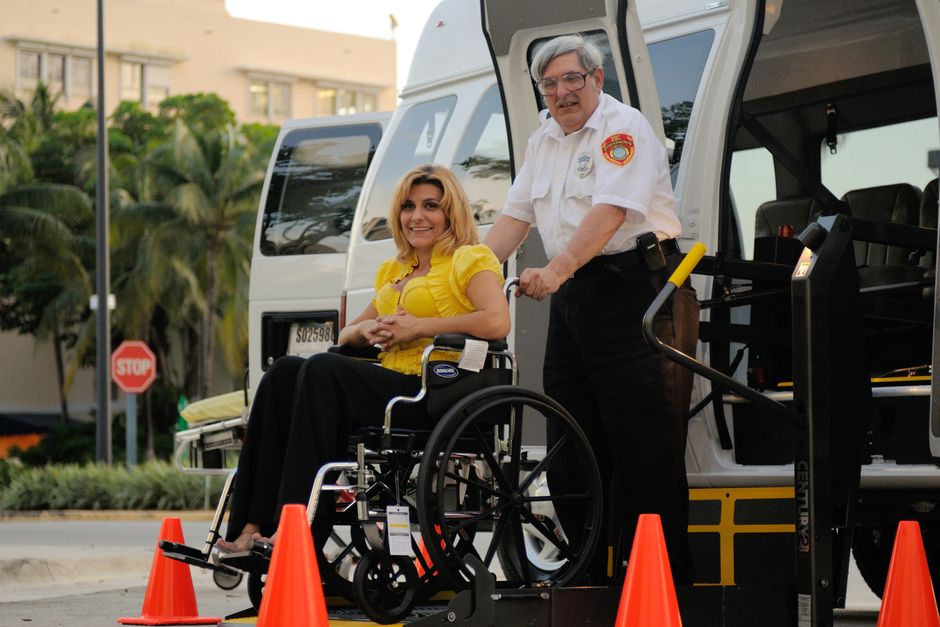
These vans are purpose-built for patients with mobility limitations. They have secure tie-down systems, hydraulic lifts or ramps, climate control, and equipment designed to keep passengers safe during transport. The vehicles meet licensing standards specific to medical transportation and are regularly maintained and inspected.
More importantly, the staff are trained for medical care. Drivers and attendants hold CPR certification and receive ongoing training in clinical issues. They know how to transfer patients safely, secure medical equipment like oxygen tanks or walkers, and respond appropriately if a patient's condition changes during the ride.
Contrast that with a rideshare driver in a sedan. They have no medical training, no specialized equipment, and no liability coverage for medical transport. Your grandmother's wheelchair won't fit. Your dialysis patient can't recline safely. Your post-surgery discharge can't be supervised by someone trained in patient care.
For patients requiring more than a standard sedan can provide, Wheelchair Tampa offers the specialized infrastructure and expertise that make safe, dignified transport possible.
Types of Medical Transportation Covered
Specialized medical van services typically handle several transport scenarios, each with its own setup and staffing needs.
Wheelchair Transport is the most common. Passengers remain in their own wheelchair, which is securely locked into the van. A trained attendant is present to ensure stability and safety throughout the ride. This works for routine appointments, dialysis sessions, doctor visits, and daily mobility needs.
Stretcher Transport is for patients who cannot sit upright or who are bedbound. This requires a two-person crew and is typically bedside to bedside, meaning staff meet you at your home or facility and deliver you directly to your destination, providing care at both ends. Common for post-surgical recovery, hospital discharge to home, and patients with severe mobility limitations.
Ambulatory Services cover patients who can walk but may need assistance, have balance issues, or tire easily. A trained attendant provides steady support and supervision during the journey.
Each transport type is designed around the patient's actual needs, not squeezed into a one-size-fits-all model.
How to Book a Specialized Medical Van Service
Booking is usually simple and direct. You contact the service by phone, describe your transportation needs, confirm your pickup and destination, and arrange a time that works.
Be ready to share a few key details: your mobility level (wheelchair, stretcher, ambulatory), any medical equipment you'll need during transport (oxygen, feeding tube, catheter bag), your pickup location, your destination, and preferred date and time.
The provider will confirm availability in your service area. This is important because not all medical van services cover the same geographic territory. Some only serve certain counties or municipalities. Always confirm that your pickup and drop-off locations are within their service area before booking.
Once booked, the service will arrive at a scheduled time. If you're coordinating from a hospital or medical facility, the staff there can help facilitate the handoff to your transport provider.
Who Uses Specialized Medical Van Services
These services serve a wide range of patients and situations.
Hospital discharge patients often need specialized transport home when they're not yet stable enough for a family member's car. Post-surgical patients, those recovering from cardiac events, and patients transitioning from inpatient to home care are common users.
Chronic condition patients rely on regular transport to dialysis centers, infusion clinics, physical therapy, and oncology appointments. When multiple weekly trips are needed, specialized transport removes the burden from family caregivers and ensures consistent, safe arrival.
Elderly and disabled individuals use these services for routine doctor visits, prescription pickups, lab work, and mobility-related appointments. Bariatric patients, those with severe arthritis, and individuals with neurological conditions often find standard transportation unsafe or impossible.
Nursing homes, assisted living facilities, and home health agencies also coordinate with medical van providers to transport residents and clients to medical appointments, reducing liability and ensuring proper care continuity.
If you're coordinating transport for any of these scenarios, Wheelchair Tampa provides specialized medical van service across Hillsborough, Polk, Manatee, Highlands, and Hardee Counties.
Need wheelchair transportation?
Private-Pay vs. Insurance-Billed Services
Most specialized medical van services operate on a private-pay basis. This means you pay out of pocket, and the provider does not bill insurance, Medicaid, or Medicare.
This is actually simpler than it sounds. There's no waiting for insurance pre-authorization. There's no claim processing delay. You book, you ride, you pay. The cost is straightforward and direct.
Some services do bill insurance, but that requires prior authorization, additional paperwork, and often stricter eligibility rules. Private-pay services skip that bureaucracy entirely, which is why many patients and families prefer them for one-off trips, routine appointments, and situations where speed matters.
Safety Standards and Licensing
A legitimate specialized medical van service operates under licensing requirements specific to non-emergency medical transportation. Vehicles must meet safety standards, including proper maintenance, inspection, and equipment function. Staff must hold required certifications, with CPR training being the baseline.
When you're evaluating a provider, it's fair to ask about licensing, staff certifications, and vehicle maintenance standards. A professional service will have clear answers and documentation.
It's also important to understand the scope: specialized medical van services handle non-emergency medical transportation only. If your situation is a true medical emergency (chest pain, difficulty breathing, severe injury, altered consciousness), call 911 for emergency ambulance dispatch. Medical van services are not equipped for life-threatening emergencies and should never be treated as a substitute for emergency services.
Service Area Matters
Before you book, confirm that the provider serves your location. Service areas vary. Some providers cover multiple counties; others focus on a single city. Some explicitly exclude certain areas.
In the Tampa Bay region, Wheelchair Tampa serves Hillsborough, Polk, Manatee, Highlands, and Hardee Counties. If your pickup or destination falls outside these counties, you'll need a different provider.
What to Expect on Transport Day
On the day of your scheduled transport, the van will arrive at the agreed-upon time. The attendant or crew will greet you, confirm your destination, and help you into the vehicle safely.
If you're using a wheelchair, it will be positioned and secured using the van's tie-down system. If you're on a stretcher, the crew will ensure you're comfortable and stable. If you're ambulatory, the attendant will provide steadying support and remain with you during the ride.
During transport, the attendant is there to assist with any needs, monitor your condition, and respond if anything changes. Climate control keeps you comfortable. The route is planned to reach your destination safely and on time.
Upon arrival, the crew helps you out of the van and, if needed, assists at your destination (a doctor's office, clinic, hospital, or home). For stretcher transport, the service is typically bedside to bedside, meaning the crew will help position you at your destination before they leave.
Scheduling Tips for Your Next Medical Appointment
Book as far in advance as possible, especially if you have a specific date or time preference. Popular appointment times (early morning, mid-week) fill up faster.
Have your destination address ready, including the specific suite or department if it's a large medical facility. Confirm parking access and any special entry requirements.
If you need return transport (home from an appointment), book that at the same time. This ensures both legs of your trip are coordinated.
If your medical situation changes before transport day (you're hospitalized, your condition worsens, your appointment is cancelled), contact your service provider immediately. They need to know so they can adjust their schedule.
Why Family Caregivers Choose Specialized Medical Transport
Many family caregivers book specialized medical van services not because they can't drive, but because they're exhausted. Coordinating medical appointments, providing physical assistance, managing medical equipment, and staying alert during transport adds up. Handing the responsibility to trained professionals gives caregivers a break and ensures the patient arrives safely with proper supervision.
This is especially valuable for caregivers managing multiple appointments per week or for patients whose mobility needs require two-person assistance. It's not a luxury. It's a practical solution that reduces caregiver burden and improves patient safety.
Cost Considerations
Specialized medical van services operate on private-pay terms. Pricing typically depends on factors like distance traveled, type of transport (wheelchair vs. stretcher), time of day, and whether a two-person crew is needed.
For a specific quote tailored to your transport needs, contact your local provider directly. Most will give you a clear estimate over the phone based on your pickup location, destination, and transport type.
While cost is a real consideration, compare it to the alternative: hiring a family member to miss work, managing the physical and medical risks yourself, or delaying necessary medical care. Specialized transport often costs less than the hidden expenses of other options.
When to Book Right Now
If you're coordinating a hospital discharge, don't wait until the day before. Work with the discharge planner at the hospital to arrange transport in advance. Hospitals often have preferred providers they work with regularly.
If you have an upcoming medical appointment and mobility is a concern, book transport a week or two ahead. This gives the provider time to schedule you and gives you peace of mind.
If you're a nursing home or assisted living facility coordinating resident transport, establish a relationship with a reliable provider before you need emergency service. Having a trusted partner in place makes every transport smoother and safer.
Ready to arrange specialized medical van service for your next appointment? Call Wheelchair Tampa to book or ask questions about your specific transport needs.
People Also Ask
Can I use Uber or Lyft instead of a specialized medical van?
Rideshare apps are not designed for medical passengers. Drivers have no medical training, vehicles have no medical equipment, and they're not insured for medical transport. If you use a wheelchair or stretcher, need assistance with mobility, or are recovering from surgery, rideshare isn't safe or practical. Specialized medical van services exist because standard transportation doesn't meet these needs.
What if I need transport but don't have a wheelchair?
Most specialized medical van services offer ambulatory transport for patients who can walk but need assistance or supervision. This is common for elderly patients, those recovering from surgery, or anyone whose medical condition makes independent travel risky. You don't need special equipment. The trained attendant provides the support and supervision your situation requires.
Do medical van services operate 24/7?
Many do, but not all. Availability depends on the specific provider. Some offer round-the-clock service; others operate only during daytime hours. When you call to book, ask about availability for your preferred date and time. If you need evening or weekend transport, confirm that the service can accommodate you before you commit.
What's the difference between a medical van and an ambulance?
Ambulances are emergency vehicles equipped for life-threatening situations. They carry paramedics, advanced medical equipment, and lights and sirens. Medical vans are for non-emergency transport. They have no emergency equipment and are not staffed for acute medical crises. If you have a true emergency, call 911. Medical vans are for routine appointments, discharge, and planned medical transport.
Need wheelchair transportation?

Comments