


Bedside to Bedside Stretcher Transport: Complete Guide

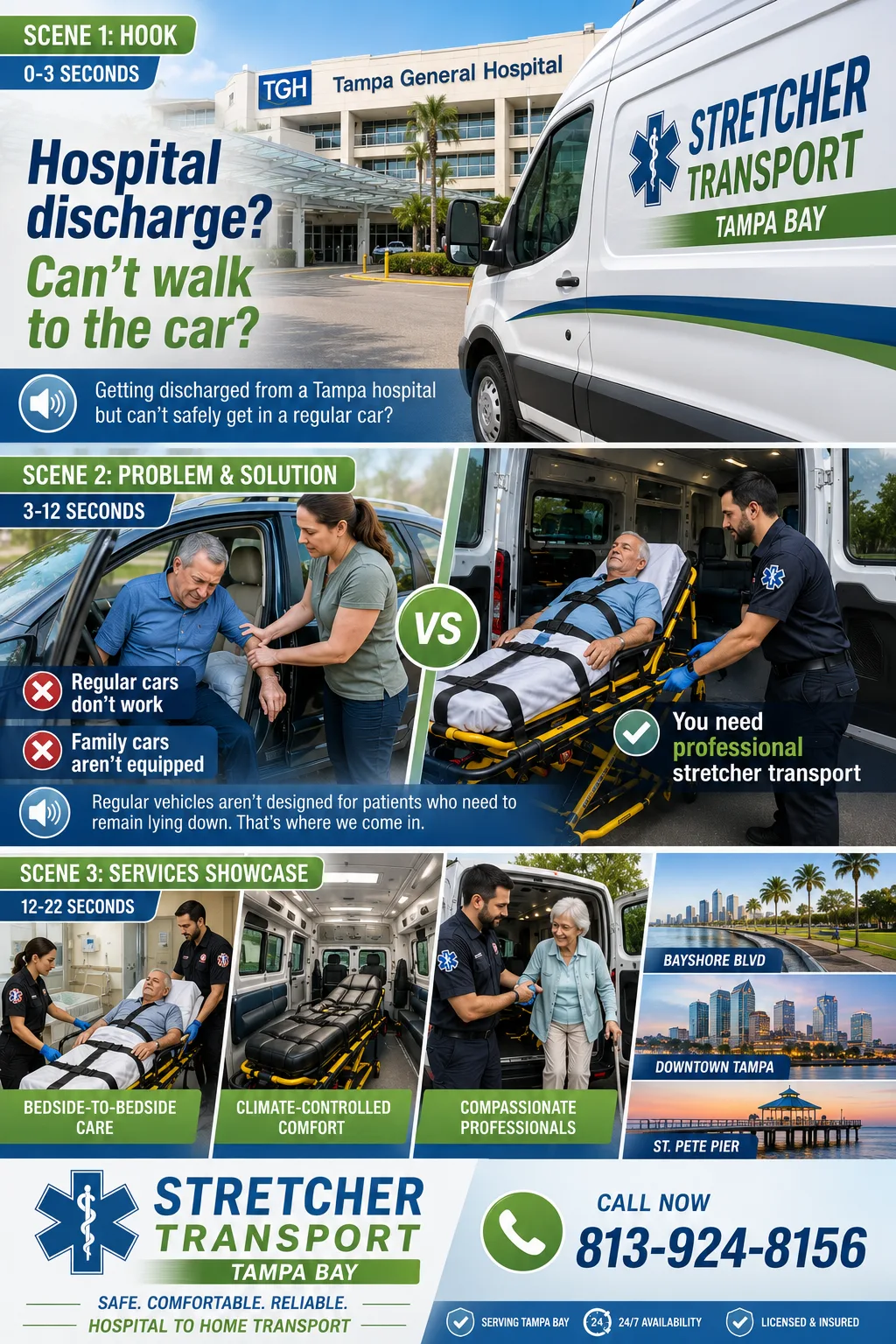
Bedside to bedside stretcher transport is non-emergency medical transportation designed for patients who cannot sit upright during a ride. A trained crew lifts your patient from their bed at the starting location, securely places them on a stretcher in a specially equipped vehicle, and then transfers them into a bed at the destination. The entire process keeps the patient lying flat and supported the whole way.
This service is different from standard medical rides or taxi services. It's built for people recovering from surgery, managing serious medical conditions, dealing with severe mobility issues, or unable to safely use a regular car seat. If your loved one needs to stay horizontal during transport, bedside to bedside stretcher service is the right choice.
Who Needs Bedside to Bedside Stretcher Transport?
Patients who cannot remain sitting upright safely are the primary candidates for this service. This includes people after major surgery, those with spinal injuries or concerns, patients with severe arthritis or joint damage, bariatric patients, and individuals recovering from accidents or illness.
Family members often call when their loved one is being discharged from the hospital and cannot ride sitting down. Others need regular trips to dialysis, physical therapy, or follow-up doctor visits. Some nursing home residents require stretcher transport to specialists or for routine medical appointments. The common thread: the patient's medical condition makes lying down the only safe way to travel.
If you're unsure whether your situation calls for stretcher transport, Wheelchair Tampa can answer that question when you call. Many families are surprised to learn how affordable and straightforward the process is.
How Bedside to Bedside Transport Works
The process starts with a phone call to schedule your transport. You tell the dispatcher the pickup address, the destination, any medical equipment the patient uses (like oxygen tanks or feeding tubes), and the patient's mobility needs. The crew arrives at the scheduled time with a stretcher and a fully equipped transport vehicle.
At the bedside, the two-person crew carefully lifts your patient using proper techniques and safety equipment. They secure the patient on the stretcher with straps and padding. The stretcher rolls into the vehicle, where it's locked in place during the ride. The patient stays in a safe, supported position throughout transit.
When you arrive at the destination, the crew rolls the stretcher out of the vehicle and into the receiving building. They carry the patient into the appointment room, hospital, clinic, nursing home room, or home, and transfer them into a waiting bed or chair. The crew ensures the patient is settled safely before they leave.
The entire experience is designed to minimize movement and discomfort. No lifting by family members. No struggling to get into a car seat. No risk of falls during transfer. Just calm, professional transport from bed to bed.
Why Two-Person Crew Transport Matters
Bedside to bedside stretcher transport always uses a trained two-person crew. This is not a cost-saving measure or optional feature. It's a safety standard.
One crew member focuses entirely on your patient during the ride. They monitor comfort, watch for any changes, and respond if the patient needs something. The other handles the vehicle, road safety, and logistics. This split responsibility protects your loved one and ensures professional care every step of the way.
A single person cannot safely lift and support a patient who cannot help themselves. Two crew members can use proper body mechanics, distribute the patient's weight safely, and manage unexpected situations calmly. It's the difference between a medical transport and a delivery service.
Medical Appointments and Hospital Discharges
Many families use bedside to bedside stretcher transport for specific medical events. A hospital discharge is a big one. Patients leaving the hospital after surgery or serious illness often cannot sit up in a regular car. Instead of struggling or staying in the hospital longer, they call for a stretcher transport home.
Dialysis patients often need reliable transport to treatment centers two or three times a week. A patient lying down safely on a stretcher is more comfortable and safer than risking a fall or injury in a regular car. The same applies to physical therapy, specialist appointments, wound care visits, and follow-up doctor check-ups.
Some patients need regular transport to nursing homes, assisted living facilities, or rehabilitation centers. Others are discharged home with home health care and need reliable rides to medical visits. Wheelchair Tampa handles all these scenarios across Hillsborough, Polk, Manatee, Highlands, and Hardee Counties.
Need wheelchair transportation?
What to Prepare Before Transport Arrives
Before the crew arrives, make a clear path from the patient's bed to the vehicle. Remove obstacles, close doors that swing into the pathway, and make sure the crew has room to maneuver the stretcher safely. If the patient uses medical equipment like oxygen, dialysis bags, or feeding tubes, have that equipment ready and tell the crew about it when they arrive.
Dress your patient in comfortable clothes. Loose-fitting pajamas or loungewear work better than tight jeans or buttons that dig in. Have a pillow, blanket, or personal items they want with them if the ride is long.
Prepare any paperwork the destination needs: insurance cards (even though stretcher transport is private pay), identification, medical history, medication lists, or appointment confirmations. Write down any special instructions or concerns so the crew knows exactly what to watch for.
Let the crew know if your patient has pain, anxiety, or sensory sensitivities. They adjust their approach based on what they learn. Clear communication makes the whole experience smoother.
Private Pay Transport: What You Should Know
Bedside to bedside stretcher transport through Wheelchair Tampa is private pay only. This means you pay out of pocket for the service. The company does not bill, accept, or process Medicaid, Medicare, or insurance claims.
For many families, this is actually a relief. Private pay means no insurance denials, no prior authorizations, no waiting for approval. You call, you book, you pay a straightforward fee. The process is simple and fast.
Cost depends on the distance, the time of day, whether equipment or special accommodations are needed, and your location. Call for a quote specific to your situation. Most families find the cost reasonable for the professional care and peace of mind they get.
Service Area and Booking
Wheelchair Tampa serves five counties: Hillsborough, Polk, Manatee, Highlands, and Hardee. If you live or need transport in these areas, call to book. If you are in Pinellas County (including St. Petersburg or Clearwater), this service does not cover your area, and you will need to find another provider.
To schedule, contact Wheelchair Tampa directly. Have your pickup address, destination address, and preferred date and time ready. The team will confirm availability, answer any questions about your patient's needs, and give you a quote.
When Bedside to Bedside Transport Is the Right Choice
You know bedside to bedside stretcher transport is right for your situation when:
Your patient cannot sit upright safely for any length of time
Sitting causes pain, dizziness, or medical risk
Your loved one has mobility, balance, or strength issues that make regular car transfers dangerous
A medical condition or recent surgery requires them to stay flat
Family members cannot safely lift or support the patient alone
You need reliable, professional transport for recurring medical appointments
If even one of these applies, bedside to bedside stretcher transport removes stress and risk from the situation. It also gives you and your family peace of mind knowing a trained, professional crew is handling the transport safely.
Getting Started with Professional Stretcher Transport
The first step is a phone call. Describe your patient's situation, ask whether stretcher transport is the right fit, and get a quote. The team at Wheelchair Tampa has handled hundreds of transports and can answer almost every question you ask.
Be honest about your patient's mobility, pain level, medical equipment, and any concerns. The more the crew knows upfront, the better they can prepare and the smoother the transport will be. There are no embarrassing questions. No situation surprises them.
Book as soon as you know you need transport. Same-day or next-day appointments are sometimes possible, but advance notice always gives you better options. Once the appointment is confirmed, that's one major thing off your to-do list.
Is bedside to bedside stretcher transport the same as ambulance service?
No. Ambulance service is emergency transport with lights and sirens. Bedside to bedside stretcher transport is non-emergency medical transportation. It is scheduled in advance, uses a regular vehicle (not an emergency ambulance), and is designed for patients who need to stay lying down during a planned trip to a medical appointment, home, or facility. The crew is trained and professional, but the service is fundamentally different from emergency response.
Can my patient eat or drink during stretcher transport?
Small sips of water are usually okay, but it depends on your patient's medical condition and whether they are fasting for an upcoming procedure. Always tell the crew about any eating or drinking restrictions before the ride starts. If your patient has difficulty swallowing or is at risk for choking, mention that too so the crew can handle the situation safely.
What if my patient needs to use the bathroom during transport?
For short trips, this is rarely an issue. For longer rides, plan ahead. If your patient uses a catheter or other device, make sure the crew knows and has what they need. If your patient can briefly sit upright, the crew can stop and help them to a bathroom. If not, you may need to work out a plan before the ride or use protective undergarments. Always discuss bathroom needs when you book.
Does Wheelchair Tampa's stretcher transport accept insurance?
No. Wheelchair Tampa is private pay only and does not bill, accept, or process Medicaid, Medicare, or insurance. You pay out of pocket. This keeps the booking process simple and fast, with no authorization delays or claim denials. Call for a quote based on your specific transport needs.
Need wheelchair transportation?



Comments