


Accessible Transportation for Seniors in Tampa Area: A Complete Guide

Getting around Tampa Bay as a senior with limited mobility can feel stressful—especially when you need to reach a doctor's appointment, hospital discharge, dialysis center, or just want reliable transportation you can trust. The good news: accessible transportation for seniors in the Tampa area exists, and it's designed specifically for people like you.
This guide walks you through your options, what to expect, and how to find the right fit for your situation.
What Is Accessible Transportation for Seniors?
Accessible transportation for seniors goes way beyond a regular taxi or rideshare app. It's specialized service built around your mobility challenges—not around the company's convenience.
Real accessible transportation includes:
Door-to-door service (your home, your doctor's office, your appointment—handled end-to-end)
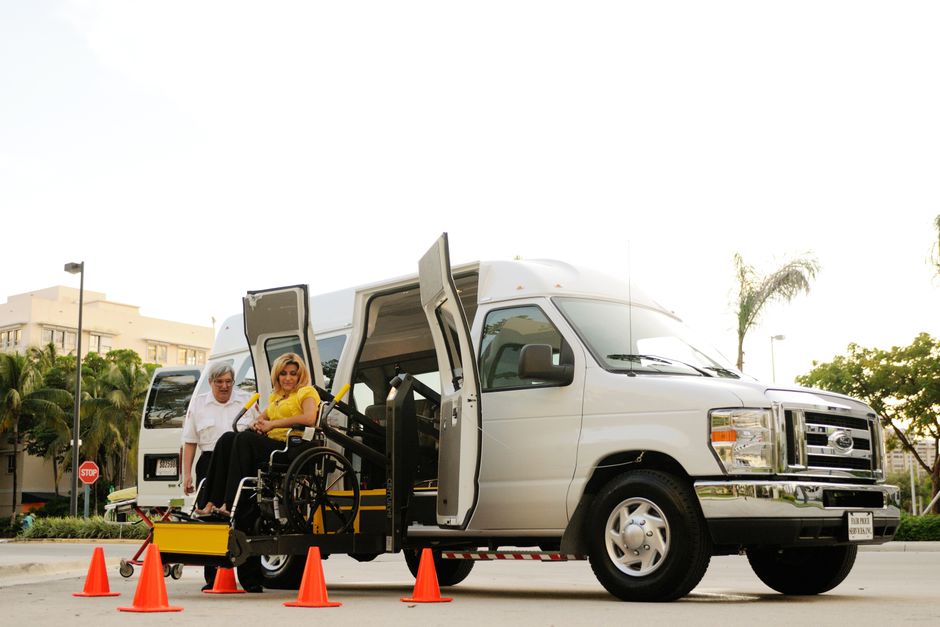
Wheelchair-accessible vehicles with lifts, ramps, and secure tie-downs
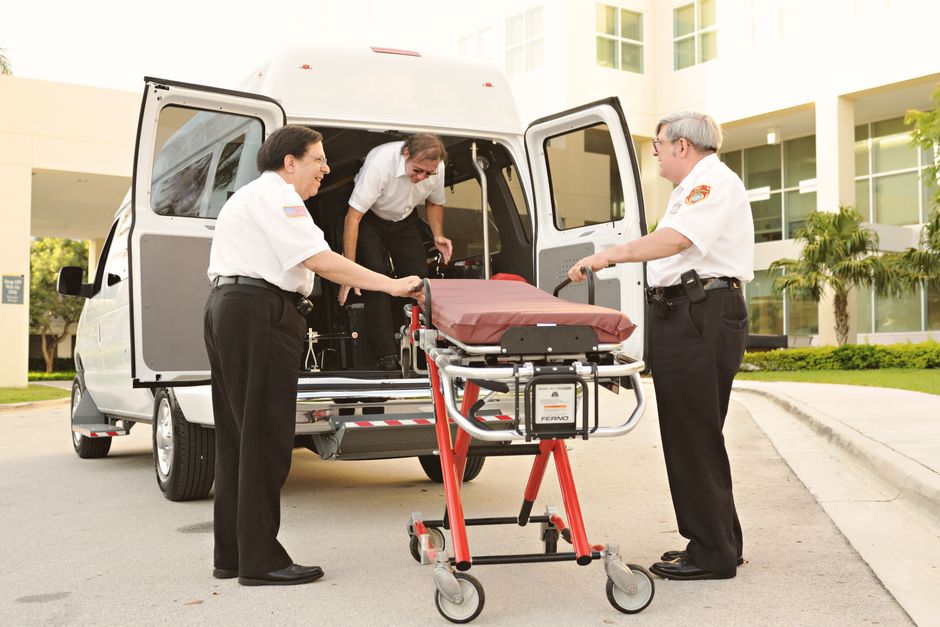
Stretcher transport for people who cannot sit upright
Professional, trained drivers who understand medical needs
Vehicles designed and equipped for safety, not just squeezed into a regular van
Compassionate handling of seniors with cognitive conditions like dementia or Alzheimer's
This is nothing like Uber or a taxi. Those services aren't trained, equipped, or insured for medically vulnerable passengers.
Types of Transportation Available for Seniors in Tampa Bay
You have several options depending on your mobility level and transportation needs.
Wheelchair Transport
If you use a wheelchair but can transfer or sit safely, wheelchair transport is designed for you. Vehicles have hydraulic lifts, secure tie-downs, and room to maneuver your chair.
This works for medical appointments, hospital discharges, dialysis runs, and routine trips. The driver helps you board safely and gets you door-to-door.
Stretcher Transport
Some seniors can't sit upright due to surgery recovery, injury, or medical conditions. Stretcher transport uses a two-person crew and is truly bedside to bedside—they meet you at your bed, transfer you safely to a gurney, and deliver you to your destination the same way.
This level of care matters when you're recovering or dealing with serious mobility limits.
Ambulatory Transport
If you can walk but need help with stability, transportation, or medical oversight, ambulatory service is available. You get safe, reliable rides with professional support.
Who Needs Accessible Transportation?
You might benefit from specialized senior transportation if you:
Use a wheelchair or mobility device
Are recovering from surgery or hospitalization
Have arthritis, balance issues, or fall risk
Use a walker, cane, or crutches regularly
Have cognitive conditions and need a trustworthy driver
Live alone and can't rely on family for rides
Need regular medical appointments (dialysis, oncology, cardiology)
Are being discharged from a hospital and need safe transport home
If any of these fit you, Wheelchair Tampa can help you explore whether specialized transportation makes sense for your situation.
Service Areas in Tampa Bay
Accessible transportation availability depends on where you live and need to go.
Wheelchair Tampa serves seniors and patients in Hillsborough, Polk, Manatee, Highlands, and Hardee Counties. That covers much of the Tampa Bay region and surrounding areas.
If you live in or need transport to these counties, you're in a service area. Call to confirm your specific pickup and destination.
What to Expect During Your Ride
Here's what a typical accessible transportation experience looks like:
Booking: You call ahead and give your pickup time, location, and destination. For medical appointments, you'll share where you're going and why.
Pickup: A professional driver arrives at your door (or bedside, for stretcher service) at the scheduled time.
Transfer: If you use a wheelchair or stretcher, the driver safely secures you and your equipment using proper lifting and tie-down techniques.
Transport: You're driven directly to your appointment or destination. No detours, no other passengers—this is your ride.
Dropoff: You're helped safely to your destination (doctor's office, home, hospital) and assisted as needed.
Professional drivers are trained in patient safety, gentle handling, and understanding the needs of people with mobility challenges. This isn't a commercial taxi service—it's medical transportation.
Private Pay vs. Insurance and Government Programs
It's important to understand how payment works.
Accessible transportation in Tampa comes in different payment models. Some services work with Medicaid, Medicare, or insurance. Others operate as private pay only.
Wheelchair Tampa is private pay only. This means you pay out of pocket—the service does not bill, accept, or process Medicaid, Medicare, or any insurance. Private pay means you get direct control, faster scheduling, and no insurance paperwork delays.
Need wheelchair transportation?
If you have coverage questions or need help understanding costs for a specific trip, reach out to discuss your situation. Pricing depends on distance, type of transport, and other factors—there's no flat fee.
How to Choose Accessible Transportation
Not all transportation services are the same. Here's what to look for:
Specialized equipment: Do they have wheelchair lifts, stretchers, and secure tie-downs? Generic vans don't count.
Driver training: Are drivers trained in patient safety, medical awareness, and gentle handling?
Service area: Do they cover where you live and need to go?
Reliability: Can they show up on time for medical appointments? This matters when you're scheduled for dialysis or surgery.
Payment model: Understand upfront whether they bill insurance, accept Medicaid/Medicare, or operate private pay.
Professionalism: Do they treat you with respect and compassion? You're vulnerable—your provider should act like it.
For reliable accessible transportation in the Tampa Bay area, Wheelchair Tampa offers wheelchair and stretcher transport with professional, compassionate service.
Tips for Making Accessible Transportation Work for You
Once you've arranged transportation, a few things make the experience smoother:
Schedule ahead: Don't wait until the day of your appointment. Call as soon as you know you need a ride.
Be clear about your needs: Tell the service if you use a wheelchair, stretcher, walker, or need extra time to board. No detail is too small.
Confirm pickup time: Call the night before to confirm the driver knows where and when to pick you up.
Have a helper ready: If possible, have a family member or caregiver home when the driver arrives. It makes the process safer and faster.
Keep medical info handy: If you're going to a new doctor or hospital, have your insurance card and medical information ready.
Ask questions: Don't assume anything. If you're unsure about how a transfer will work or what's included, ask the driver or the service directly.
Common Concerns About Senior Transportation
You probably have questions. Here are real concerns seniors raise:
Will I be treated with dignity? Yes. Professional accessible transportation providers train drivers to treat you with respect, privacy, and compassion. You're not cargo—you're a person with needs.
What if I have a medical emergency during the ride? Non-emergency medical transportation is not emergency ambulance service. But trained drivers know how to handle medical situations and will call 911 if needed. For true emergencies, always call 911 directly.
Is it safe for someone with dementia? Specialized services can handle seniors with cognitive conditions. Tell the service about dementia, anxiety, or behavioral concerns when booking. Trained drivers can help keep you calm and safe.
What if I need to reschedule? Call as soon as you know. Good services are flexible and work with you. Last-minute changes are harder, so give notice when you can.
When to Call for Accessible Transportation
You need accessible transportation if:
You're being discharged from a hospital and can't drive home
You have a scheduled medical appointment and can't walk, drive, or safely use public transit
You use a wheelchair or stretcher and need reliable door-to-door service
You're recovering from surgery and mobility is limited
You need regular dialysis, chemotherapy, or ongoing medical appointments
You live alone and have no family to drive you
Don't wait until you're in crisis. Plan ahead. When you know you'll need transportation, call early and book it.
Next Steps: Finding and Booking Your Ride
Ready to arrange accessible transportation? Here's what to do:
Identify your service area: Confirm you live or need to travel in Hillsborough, Polk, Manatee, Highlands, or Hardee Counties.
Know your mobility type: Are you ambulatory, wheelchair-using, or stretcher-dependent? This shapes what service you need.
Have your information ready: Know your pickup location, destination, preferred dates and times, and any medical details the driver should know.
Contact the service: Call Wheelchair Tampa and describe your needs. Ask about availability, pricing, and what to expect.
Ask questions: Don't be shy. How do they handle transfers? What equipment do they use? How do they handle special needs? The right provider welcomes these questions.
Confirm everything: Once booked, confirm the pickup time, location, and any special instructions the day before your appointment.
Frequently Asked Questions
Can I use Medicaid or Medicare to pay for accessible transportation in Tampa?
Not all accessible transportation services accept Medicaid or Medicare. Some providers do, but some operate as private pay only. When you contact a service, ask directly about their payment model. Wheelchair Tampa is private pay only, meaning you pay out of pocket. No insurance is processed. If you need insurance-covered transportation, ask the service if they bill your plan.
What's the difference between accessible transportation and emergency ambulance service?
Emergency ambulances (911 calls) respond to life-threatening situations with lights, sirens, and paramedics. Accessible transportation is non-emergency—you schedule it ahead for medical appointments, hospital discharges, dialysis, and similar planned trips. For true emergencies, always call 911. For scheduled medical rides, call an accessible transportation service.
How far in advance should I book accessible transportation?
Book as soon as you know you need a ride. For routine appointments, calling a day or two ahead often works. For hospital discharges or time-sensitive needs, call the moment you know. The earlier you call, the better your chances of getting your preferred time and date. Last-minute bookings may not always be available.
What happens if I need to cancel or reschedule my ride?
Call the service as soon as possible. Most providers are flexible, but cancellation policies vary. Some may charge a fee if you cancel very close to your appointment time. When you book, ask about the cancellation policy so you know what to expect. If plans change, don't just miss the ride—call and explain so the driver isn't waiting and the slot opens for another passenger.
Need wheelchair transportation?

Comments